“How many bicycles are there in Utrecht?”
“More than people,” my Dutch friend assured me. Continue reading
jetpack domain was triggered too early. This is usually an indicator for some code in the plugin or theme running too early. Translations should be loaded at the init action or later. Please see Debugging in WordPress for more information. (This message was added in version 6.7.0.) in /srv/web/middle-europe.cz/wp-includes/functions.php on line 6260vaultpress domain was triggered too early. This is usually an indicator for some code in the plugin or theme running too early. Translations should be loaded at the init action or later. Please see Debugging in WordPress for more information. (This message was added in version 6.7.0.) in /srv/web/middle-europe.cz/wp-includes/functions.php on line 6260
“How many bicycles are there in Utrecht?”
“More than people,” my Dutch friend assured me. Continue reading
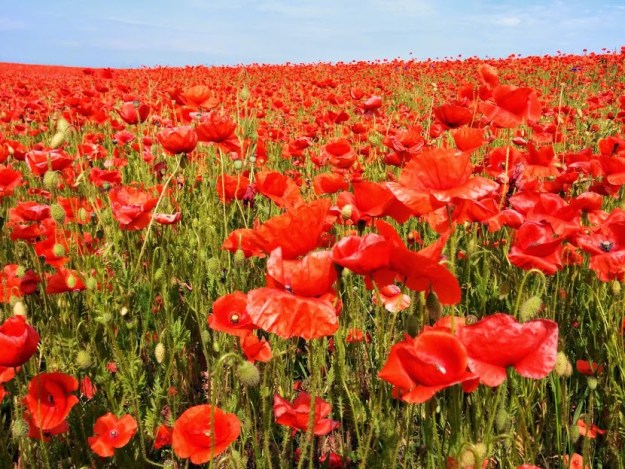
May is almost over, so there’s only a short time left to gather together your photos of wild flowers for Jude’s Garden Challenge! I already put some photos up of the bear leek growing on the island of Rügen in north Germany; now I’d like to show some more photos of wild flowers I’ve spotted growing around Europe. I don’t know the names of most of them – I should really buy a book of European plants. If anyone can label any of them, I’d love to hear what they are called. Of course I do recognize poppies, and they are among my favourite flowers. They pop up on many roadsides at this time of year (often around railway tracks for some reason), but you can also see them grown commercially for the seeds (presumably they also grow them somewhere to make codeine and morphine). In Germany, poppyseeds are called Mohn, and they are used in lots of sweet cakes, pastries and dumplings. A piece of Mohnkuchen is delicious, with an almond-like flavour, and if you ever visit Germany i’d recommend popping into a bakery to try a piece.